Nature is more than a landscape, It’s our life support system.
“Under all is the land,” is the opening preamble to the National Association of Realtors Code of Ethics, adopted in 1924. It emphasizes that the wise utilization and ownership of land are foundational to civilization, imposing social responsibilities and ethical duties on real estate professionals. And, while I can’t control everything happening in the landscape, I wanted to offer a few thoughts regarding the ERA.
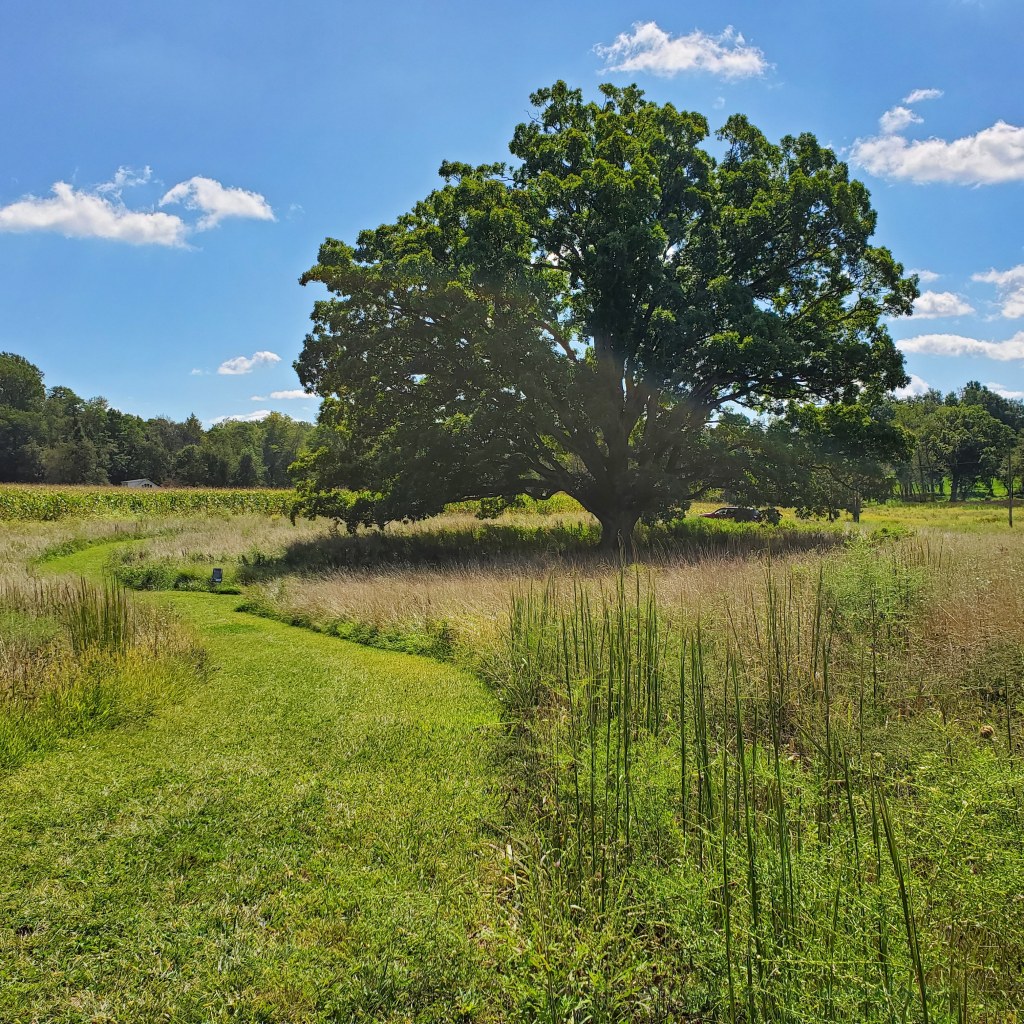
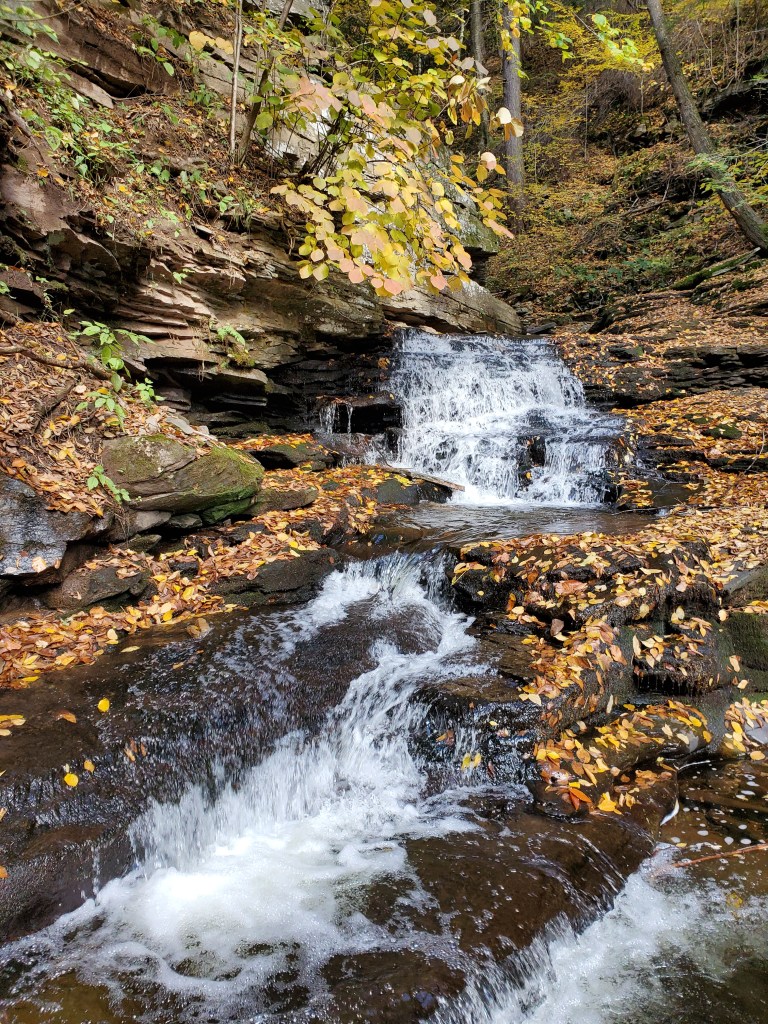
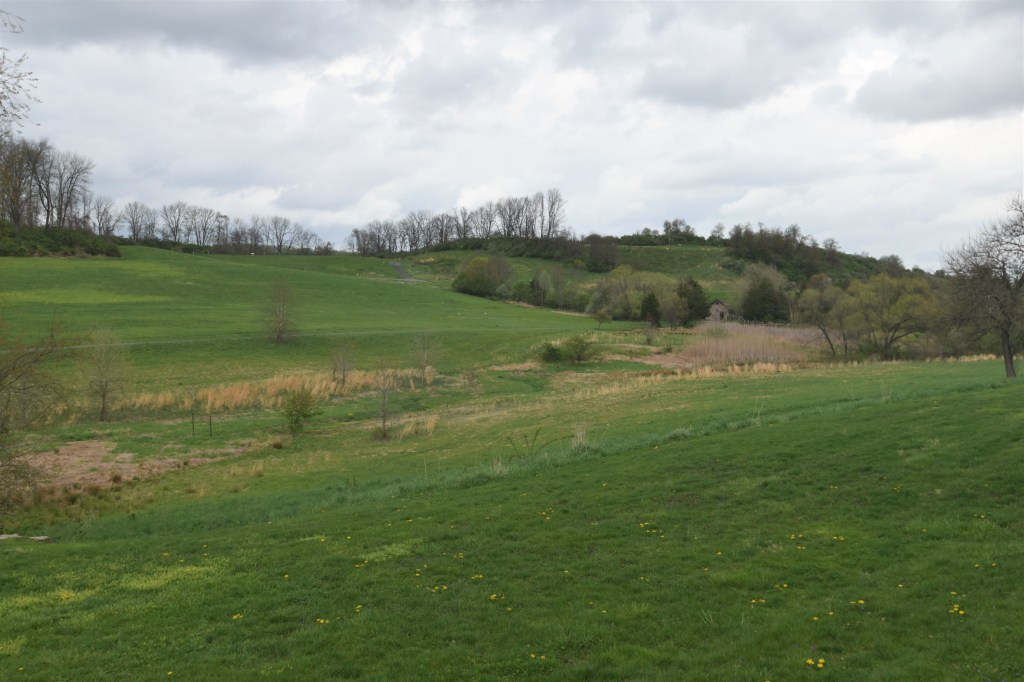
Like most people, I appreciate clean air, pure water and the scenic beauty that exists in many areas of Pennsylvania. I’ve lived here all my life and have always been drawn to nature and the beauty that surrounds us from bucolic pastures of Chester County to the scenic waterfalls in the Poconos as well as forests and farms that dot the landscape throughout the state. Not only do they offer esthetic beauty but they each serve a purpose in providing a healthy environment.
Increasingly, the very features that draw us to certain communities are being compromised, affecting quality of life and sometimes our health and land values. Based on the commentary on social media with people bemoaning the next new development or data center and the accompanying changes in local zoning to accommodate these projects, I know many people share my concerns about the changing landscape. It’s almost too much to take in…there are so many projects–there is often a Facebook group or website organized to oppose each one.
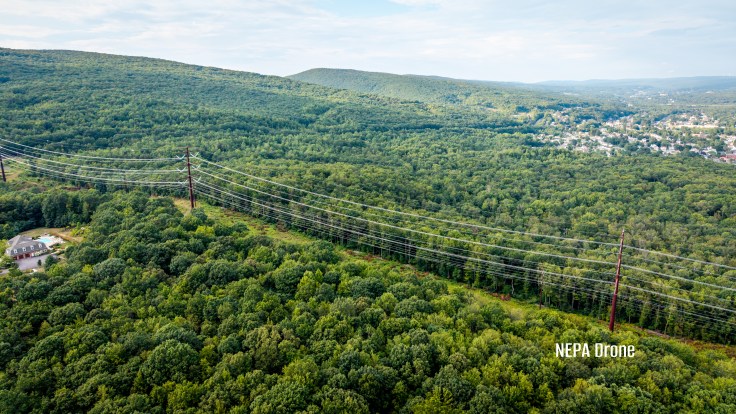
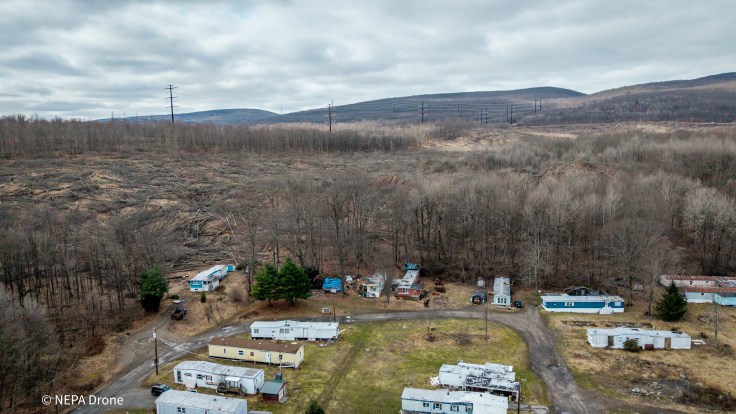
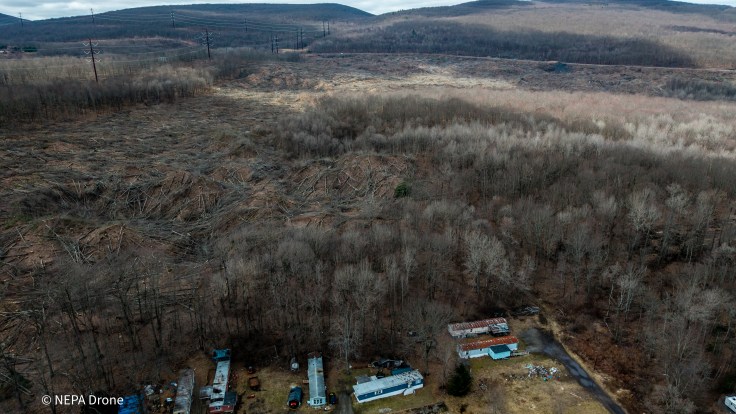
The photos below, courtesy of NEPA Drone, document one such “project,” the before and after of land clearing taking place in the forests of Archbald, Pa.
In tandem with posts about data centers, I’ve observed a general sense of helplessness and lack of knowledge about Pennsylvania law and how it applies to development and land use in Pennsylvania. With unchecked development, at best we lose our viewsheds and experience increased traffic and crowded schools and at worst, we lose forever clean water, wildlife habitat and more.
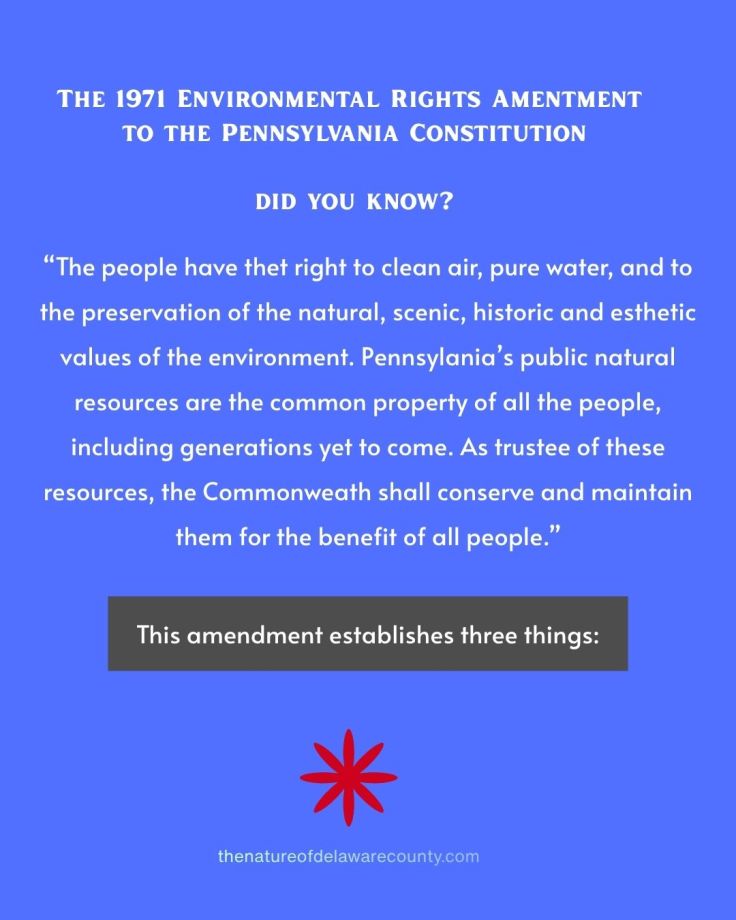
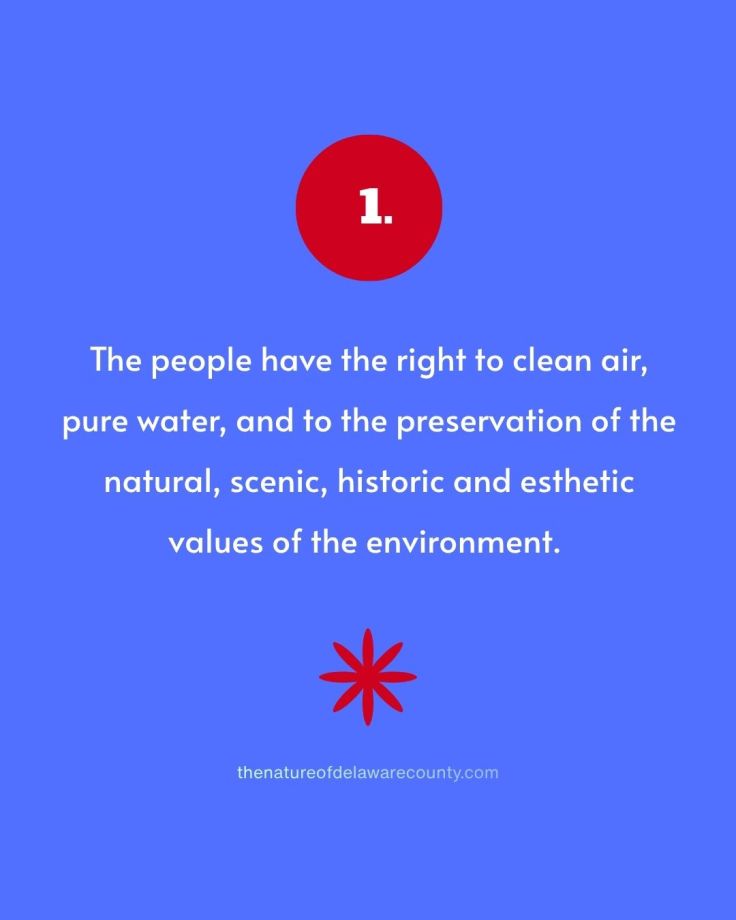
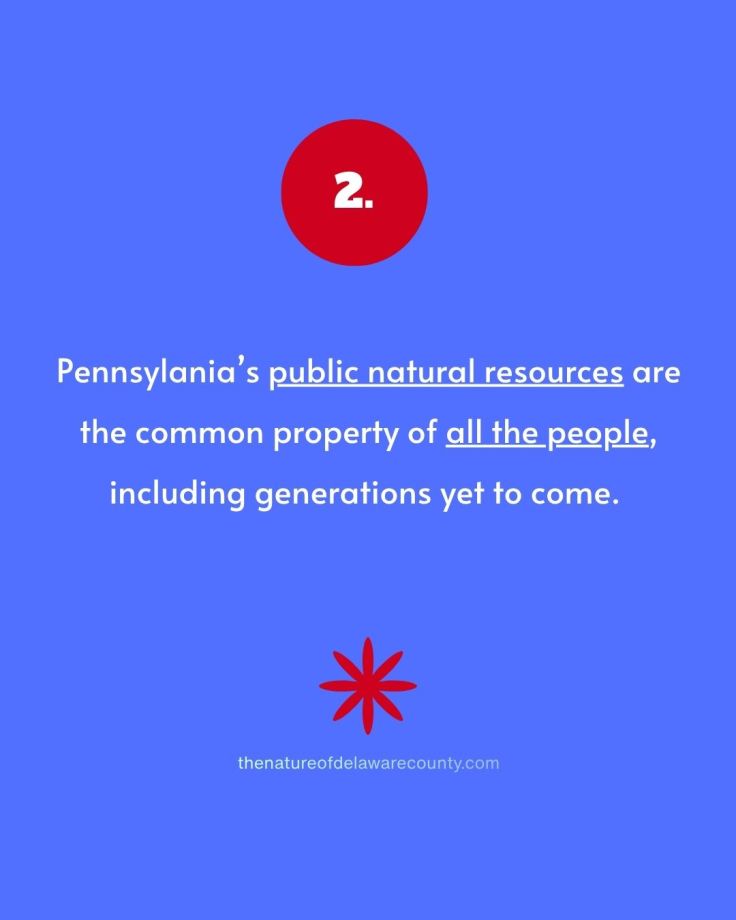
Fifty years ago, our government codified these environmental ideals into a group of rights through the 1971 Environmental Rights Amendment to the Pennsylvania Constitution. The Delaware County Bar Association recently hosted a seminar on this subject and wanted to share what I’ve learned.
The Environmental Rights Amendment to the Pennsylvania Constitution has been around since 1971, borne out of a need to protect the land from unregulated practices of previous generations, such as mining, logging, industrial toxic sewage draining into our rivers and smog clogging our skies, eventually leading to health risks such as birth defects, chronic diseases and overall declining health.
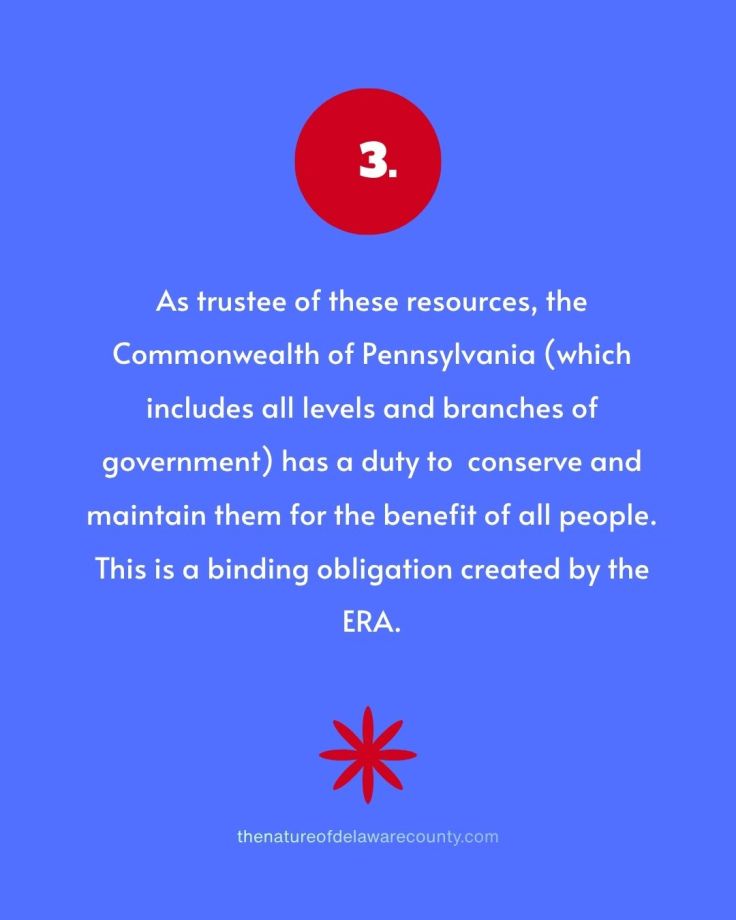
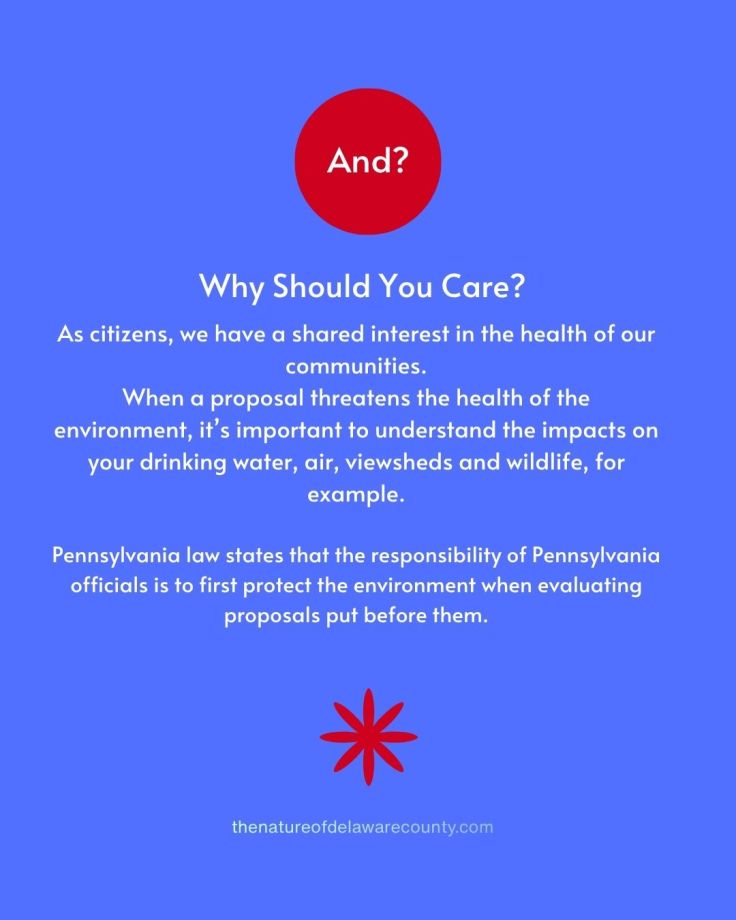
There have been cases that hinged their arguments on this amendment, which you can find through the links below. These cases involve fracking, drilling and other actions that took a major toll on the environment and our health. However, the ERA can and has been applied to projects of a much smaller scale and the ERA sets forth the obligation of every branch and level of the Pennsylvania government, from the Governor to the local building inspector, to consider the ERA when approving new projects.
With development pressure at an all time high and so many commercial and industrial projects in the collective pipeline, it is important that the law be followed. Citizens have a right to review and question the impacts to the environment. Pennsylvania has 1,454 townships and is home to 5.6 million citizens, who all have a right to clean air, water and scenic beauty. It’s not only the developments, but also the unchecked use of commercial fertilizers, aerosol sprays and pesticides – and even solar farms that can affect our health.
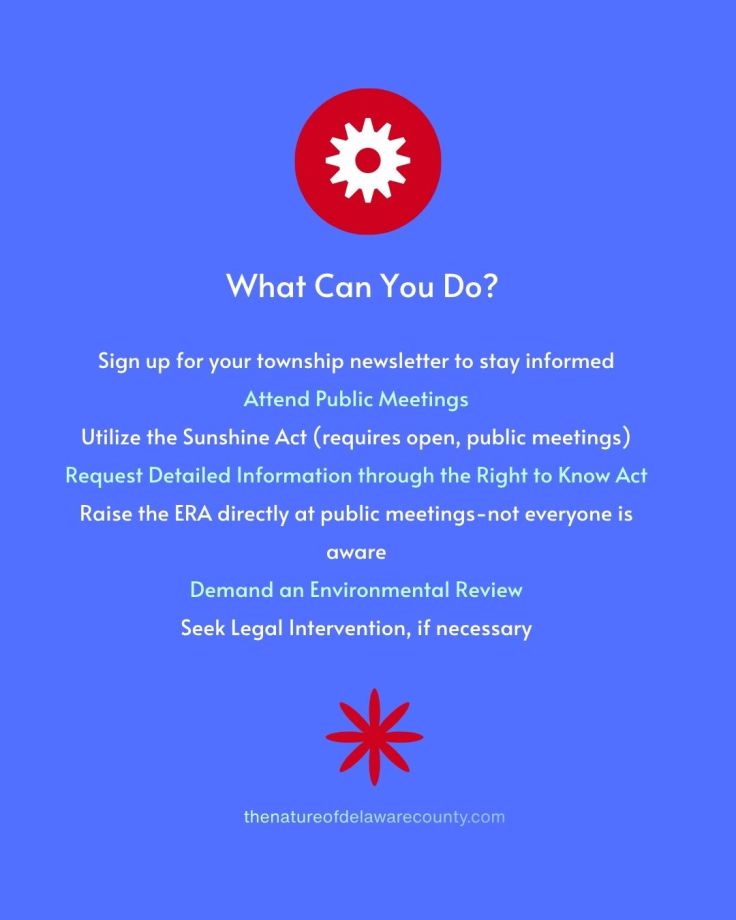
Citizens who feel overwhelmed by the constant destruction of the environment can be comforted that the law in Pennsylvania is on their side, as long as it is followed. The best way to have an impact is to stay actively involved in your community and show up. Attend Planning or Zoning, Environmental Advisory Council meetings, or at least be aware of proposed projects/zoning so you can communicate with officials regarding the impacts of new projects. Large projects proposed in your neighborhood affect not only your township, but possibly surrounding areas.
It’s important to note that the ERA is not anti-development; it’s goal is sustainable development.
If you would like to know more about the ERA and its applications, please visit the following:
The Chester County Planning Commission has a page dedicated specifically to data centers and factors for municipalities to take into consideration as they evaluate whether there is suitable infrastructure for data center development. It suggests that municipalities should proactively adopt clear ordinance language to adequately regulate this use. In addition, the page provides links to guidance documents, model ordinances and data center mapping.
“We won’t have a society if we destroy the environment.
Margaret Mead
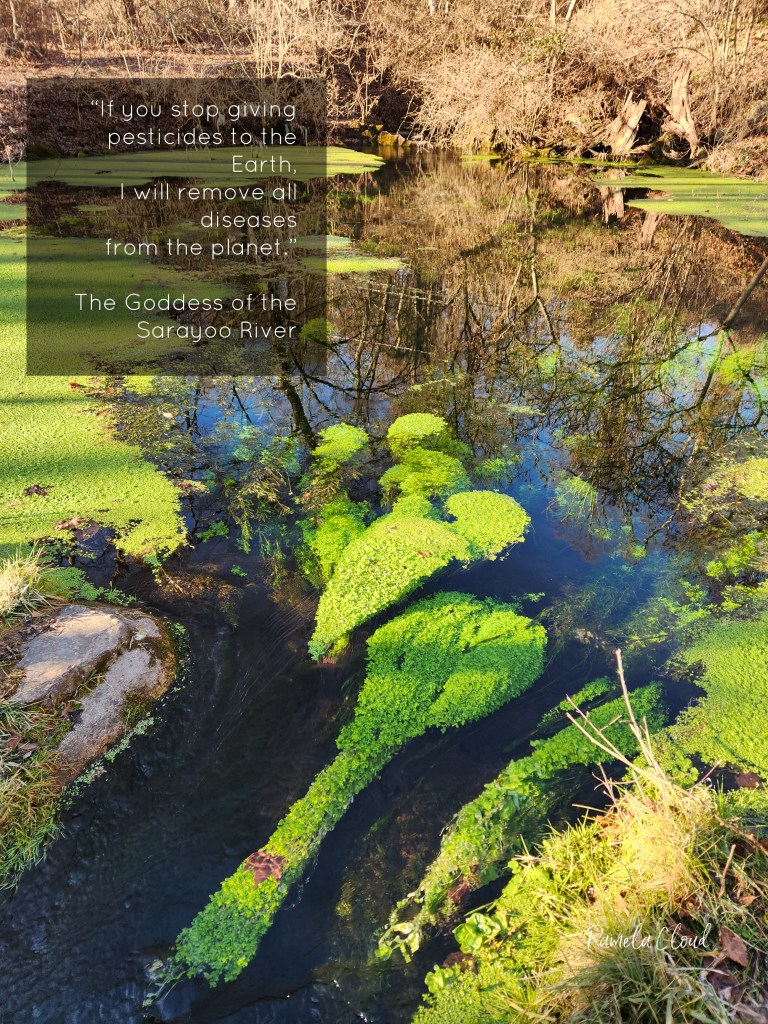
Sunflowers Westtown School, West Chester, Pa.Deer family in spring. Peacock Tree at Bryn Coed Preserve, Chester Springs PaPoconos Waterfall Okehocking Landscape in Edgmont, Pa.Limestone Spring at Aquetong Park, New Hope, Pa.
The information provided in this article does not, and is not intended to, constitute legal advice; instead, all information, content, and materials available in this piece are for general informational purposes only. Readers should contact their attorney to obtain advice with respect to any particular legal matter.






Leave a Reply